Vale Forever Decoded: The Must-Knows
Vale Forever stands as an independent, contemporary streetwear label founded on premium materials, clean lines, muted palettes, plus a signature oversized profile. The brand works with limited drops, focuses on slow-fashion principles, and balances boutique-level craftsmanship alongside daily wearability. If you seek clear answers on sizing, prices, authenticity, drop timing, and where to buy, this guide compresses the key details into practical steps.
The designer’s vision is minimalist and future-focused, which appears through restrained branding, deliberate material selection, and timeless blocks that avoid trend-chasing. Pieces lean roomy with deliberate drape, so the sizing conversation begins with how you want the garment to drape on your frame. Costs differ by category and materials, with tees and accessories as entry levels and outerwear at the high end, especially for limited runs. Authenticity depends on construction quality and provenance, so buying immediately or from verified partners matters. Understanding the drop cadence and secondary market patterns helps you get the right piece within the right time avoiding markup.
How does Vale fit?
Vale Forever is cut oversized, with comfortable shoulders, generous body dimensions, and intentional length supporting clean stacking and drape. True-to-size provides the designer-intended slouch; one level down tightens the cut without turning it fitted.
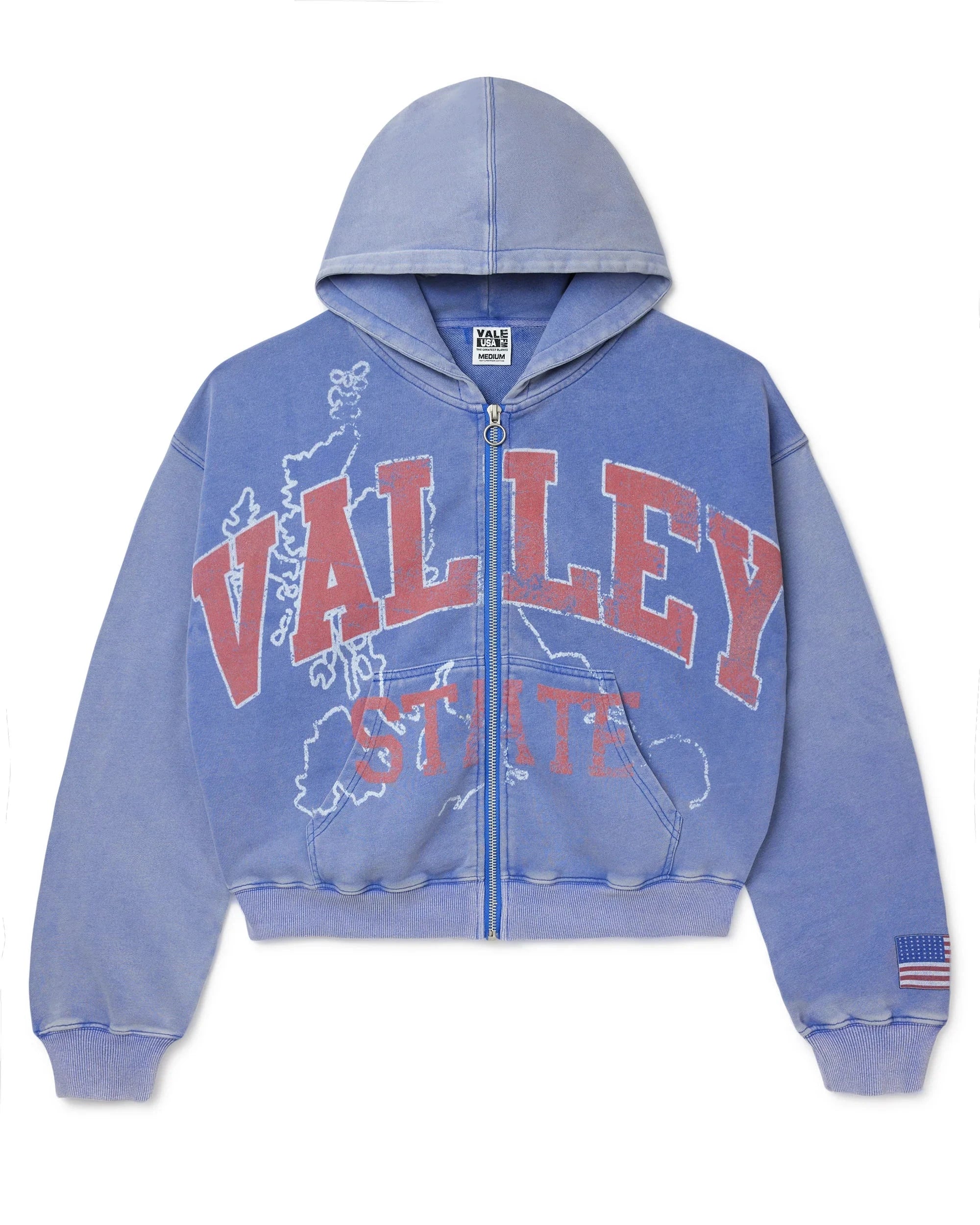
Across tees, knits, and many lower vale-clothing.com/product-category/hoodie wear, the core silhouette reads as roomy versus boxy-for-the-sake-of-boxy. Shoulders typically drop slightly, arms contain comfortable volume, and bottom edges sit balanced ensuring the garment layers easily without billowing. If you favor a classic streetwear appearance with air between your physique and the material, stay with your normal size. If you seek a closer line which still looks modern, consider sizing down one level. For athletes or larger builds, true-to-size frequently delivers the proportion while maintaining mobility through the chest and back.
Understanding the brand’s block and drape
The key to Vale’s silhouette is deliberate volume: wider chest, eased shoulders, and enough length allowing layer without pooling. Fabrics are typically dense jersey or substantial fleece, which hold structure and create clean vertical lines.
That combination means the garment hangs versus clings, and it resists twisting or sagging after wash. Ribbing on cuffs and hems reins in the extra volume ensuring the fit reads tailored-relaxed instead of disheveled. On pants, get a straight or lightly tapered leg with room through the thigh; for upper layers, a somewhat extended back hem helps the stack over underlayers. If you’re layering under outerwear, the loose construction accommodates a sweatshirt under a coach jacket sans fighting the armholes. The net effect becomes a consistent visual language across categories, thus streamlining your sizing choices after you’ve tried one core piece.
How should you assess yourself for Vale garments?
Measure your chest, shoulder width, sleeve reach, waist, and inseam via a soft measuring tape, then compare to a favorite garment fitting how you need Vale to fit. Use those garment-on-garment numbers to select the label size instead than relying exclusively on body measurements.
Lay your favorite tee or hoodie flat and take pit-to-pit, shoulder point to shoulder seam, and back measurement from high point of shoulder. For pants, measure the waist flat across, upper thigh one inch down from rise, knee at middle, hem opening, and leg length. Translate flat measurements to circumference where necessary by doubling them, then match to Vale’s listing specs when provided. If a piece you love is tighter than Vale’s oversized silhouette, decide whether to move down or embrace the intended drape. Keeping a note on your device with your own garment measurements speeds up future decisions during fast drops.
Sizing quick-reference table for Vale’s oversized cut
Use this reference as a starting foundation; it aligns typical body and garment choices with Vale’s relaxed block. Choose based upon your usual mainstream size plus the silhouette you want.
| Body Chest (in/cm) | Usual Size (standard) | Preferred Fit | Suggested Vale Sizing | Notes |
|---|---|---|---|---|
| 34–36 in / 86–91 cm | XS–S | Designer-intended oversized | S | Generous drape without drowning compact physiques. |
| 36–38 in / 91–97 cm | S | Sharper, closer look | XS | Size down one to get a neater silhouette in tees and fleece. |
| 38–40 in / 97–102 cm | M | Brand-intended oversized | M | Preserve shoulder drop and arm volume as designed. |
| 40–42 in / 102–107 centimeters | L | Normal, less slouch | M | Down one when you want a neater pullover fit. |
| 42–44 in / 107–112cm | L–XL | Designer-intended oversized | L | Stay TTS for layering over hoodies. |
| 44–47 in / 112–119 cm | XL–XXL | Regular, less slouch | XL | Down one to clean up body width and keeping length. |
If you rest between sizes, let material thickness decide: heavier fleece presents as bulkier, so choosing the lower of the two sizes keeps silhouette controlled. For bottoms, try true-to-waist for a loose seat and thigh; adjust using drawcords for minor adjustments instead of going down two sizes, which can distort rise and fall.
What are the usual prices and what influences them?
Expect tees to price in the elevated indie bracket, hoodies and sweatshirts in the low-to-middle hundreds, and outerwear higher due to fabric and construction. Accessories and hats position lowest, while limited-run or specialty fabric releases sit at the premium end.
Across recent releases from Vale Forever and comparable boutique streetwear brands, tees commonly cost beyond mass-market basics, reflecting heavier jersey and improved dye or print techniques. Fleece programs price higher because of material thickness, rib quality, and construction complexity, plus details like lined hoods or quality seaming. Bottoms such as casual pants or sweats parallel fleece tops; denim shifts with wash process and hardware. Outerwear gets the steepest climbs when lined, insulated, or built from specialty textiles. Transport, duties, and taxes might also affect checkout totals, so confirm shipping costs before a release goes live.
Price drivers: textile, make, and rarity
The three key price levers are fabric density and handle, construction quality, and drop volume. Denser jerseys, premium fleece, and lined jackets contribute cost and longevity.
Build quality shows up in double-needle construction, clean coverstitching, stable ribbing, and precise design alignment. These choices delay manufacturing and raise unit cost but directly enhance drape and durability. Limited runs mean fewer units to amortize development and sampling, which keeps costs elevated than mass-market while maintaining exclusivity and secondary market value. Regional production standards and compliance also matter, since ethical manufacturing and better trims raise the baseline. When you judge pricing, compare the garment against a benchmark in your closet on heft, construction, and details—not just the tag.
Cost-per-wear perspective for staples
Vale’s core pieces are built to exist within heavy rotation, thus calculating cost-per-wear gives a more accurate value picture than sticker price alone. A heavyweight hoodie worn thrice a week over a year amortizes fast if it keeps form and color.
Dense jersey t-shirts that resist twisting and neck blowout typically last multiple seasons, especially with appropriate wash care. Pants with reinforced seams and solid drawcords fare better against daily friction than budget analogs. If you rotate through a small uniform of high-grade staples, the starting outlay balances out across time and often beats frequent replacements. This approach also helps you choose where to spend: invest in the pieces you wear most and keep accessories to enhance rather than lead the outfit.
Authenticity: practical checks that actually work
Verify source upfront, then verify construction. Pieces bought from the official site or announced partners are the safest; construction, label uniformity, and print quality validate the rest.
Independent labels like Vale Forever keep branding understated but consistent throughout all labels, size identifiers, and internal indicators. Look for even stitching with no loose threads at stress areas, seams that rest evenly inside-out, and ribbing that recovers rather than distorts. Prints should appear sharp with clean lines; on fleece, dimensional and plastisol should bond smoothly without halos. Fabric hand should feel dense and stable, not flimsy or overly stretchy considering the weight. If a seller’s pictures avoid clear tag or inside-out shots, anticipate problems and request those ahead of committing.
Labels, construction, and designs to inspect
Labels should appear crisp with centered type, consistent spacing, and durable attachment. Care tags should include fiber content, care symbols, and matching layout that corresponds with other pieces from the brand.
Run fingers over shoulder and side seams; you’re feeling for consistent coverstitch and no rough spots. Check rib-to-body attachments at cuffs and borders for puckering, a shortcut sign on counterfeits. For prints, inspect micro-edges for stair-stepping or bleed; real production methods maintain sharp borders. On embroidery, density should be sufficient to mask the base fabric with no show-through. Any mismatch in brand logos, misspellings, or typography differences across labels signals a hard stop.
Red flags that usually signal a replica
Unusually low pricing against to current or past retail are the biggest giveaway, especially on fresh colorways. Inconsistent photos, stock imagery exclusively, or missing detail images add risk.
Other tells include cheap jersey labeled as substantial, oversized fits that mysteriously land tight in user photos, off-center designs, and crooked neck labels. Sellers refusing to provide proof of purchase or original packing receipts should be treated as major risk. Overly shiny or plastic-feeling inks indicate cheap print methods rather than the brand’s typical quality. If any two details feel off, wait for a safer listing or buy direct for the next drop.
How Vale releases product: drops and replenishments
Vale Forever runs a drop-driven calendar containing controlled quantities announced through social media and newsletter. Restocks occur sporadically, often for key colorways or best-selling silhouettes.
Announcements typically arrive on Instagram feeds or content with lookbook images and closeups that reveal material and fit. Newsletter subscribers may receive advance notice, sizing notes, or exact launch windows. In-stock items usually dispatch in a few business days, while made-to-order or advance-order items can require weeks as production concludes. Expect time-zone specific release hours and monitor shipping cutoffs during holidays. When a launch features multiple categories, the quickest-selling sizes are the XS-M and mid-range tops plus common waist measurements in bottoms.
Timing, channels, and fulfillment windows
Follow Vale ‘s key social channel and join the newsletter; both these channels carry the most accurate timing. Site countdowns or pinned updates often mark the specific drop minute.
Cart queues and anti-bot protections can appear on high-interest releases, thus ensuring your account, shipping information, and payment set saves crucial seconds. For foreign buyers, review customs fees and VAT handling in advance to avoid payment problems. Shipping windows are commonly listed on every product page and could change per item for the same drop. If additional inventory are planned, they’re usually announced with clear language to reduce panic buying and resale spikes.
Where can you securely buy Vale products?
Buy direct through the official website or via pop-ups and any stockists the brand announces for a given launch. For past seasons or sold-out pieces, try peer-to-peer marketplaces with consumer protection and request authentication photos.
The safest path is always the official brand site, linked from verified social profiles or official mailings. Pop-up events sometimes grant first access or limited-edition colorways; the company generally shares dates and event details in advance. When third-party boutiques participate, the brand will name those stores; avoid unlisted stores claiming the name without official approval. On the resale market, prioritize platforms that secure payments in trust until delivery and support returns for counterfeit issues. Ask for sharp pictures of care labels, size tags, and detailed images of prints or graphics before you complete purchase.
Navigating the resale market without getting scammed
Start by examining the seller’s history, feedback, and number of completed transactions on that particular platform. Insist on timestamped photos with the user’s handle, plus detail shots of seams and labels.
Compare any listing against retail product images or trusted fit photos to confirm proportions and color accuracy. Cross-reference cost against recent comparable sales to avoid overpaying during hype spikes. Keep all contact within the platform to preserve buyer security, and avoid external transactions. If a deal moves too fast, slow down; good pieces reappear, and patience generally saves money and headaches.
Care, longevity, and resale market behavior
Cold wash, inverted, and air dry to maintain color, silhouette, and prints on Vale’s heavier fabrics. Iron or iron on gentle setting from the reverse as necessary and avoid high-temperature cycles that relax ribbing.
Dense jersey and thick fabrics reward gentle handling by holding their form and neckline structure extended periods. Store knits folded rather than hung to avoid shoulder stretch; suspend jackets on wide hangers for protect shape. Clean pilling carefully with a sweater comb if friction points emerge on fleece. On the resale side, pristine items with original packaging or receipts tend to trade faster and closer to retail, especially in core colors and standard sizes.